
Digital marketing for pest control companies that want urgent calls and recurring plans
Pest control is bought in a moment of disgust or worry (a wasp nest by the door, mice in the kitchen, ants every spring) and kept on a recurring plan when the company proves reliable. The search is specific (the pest and the town), seasonal, and won by whoever looks competent, local and available. Here is how we approach it.
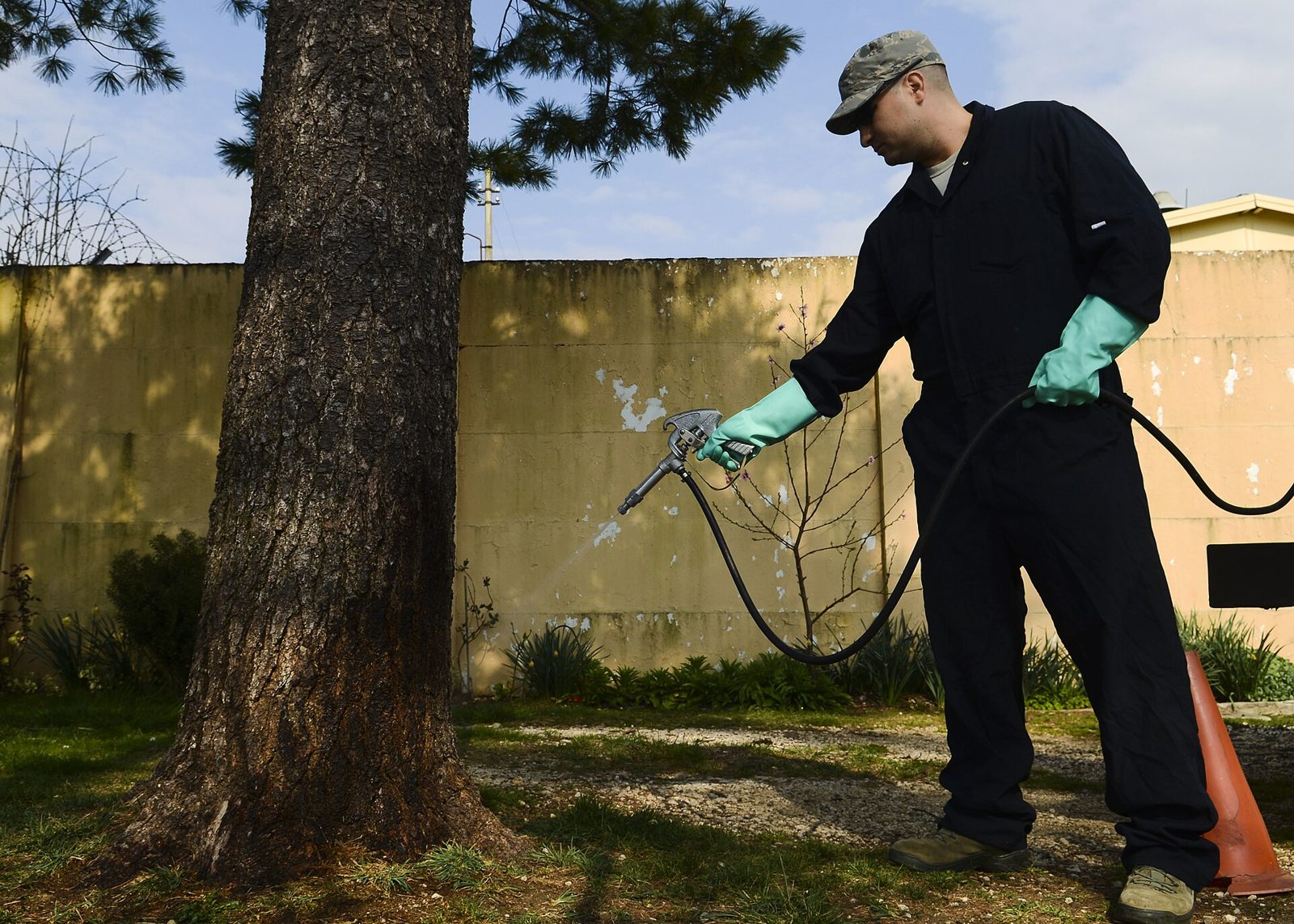
Specific pests, strong seasons, recurring revenue
Three things shape pest control marketing. First, searches name the pest: “wasp nest removal”, “rodent control Puyallup”, “bed bug treatment”, “carpenter ants Bonney Lake”, “rat exterminator near me”. A generic “pest control” page cannot rank for all of them; a page per pest can. Second, seasonality: ants and wasps in spring and summer, rodents and spiders in autumn, moisture pests all winter in the Pacific Northwest, the marketing calendar has to follow the pest calendar. Third, the recurring plan: a one-time treatment is the entry point, and the profitable customer is the quarterly or monthly plan that runs for years, which means the follow-up after the first visit is as important as the first call.
The usual failures: one page listing forty pests, a Google profile with the wrong category and no photos, ads running year-round on the same budget, and no system for converting a one-time job into a plan. Your marketing has to answer the specific, urgent search and then keep the customer.
How a homeowner picks a pest control company
- Search the pest and the place: “wasp nest removal near me”, “mice in attic Tacoma”, “termite inspection Sumner”. Usually on a phone, often the same day the problem is noticed.
- Scan the map results. Rating, review count, “open now”, whether the listing mentions their pest. A profile with 15 reviews loses to one with 200.
- Check the site for their pest. A page for that pest with a clear process, safety for children and pets, pricing signals and a way to book.
- Call or book. Same-day or next-day availability wins. A booking form with a real time slot beats “we will call you back”.
- Decide on the plan. After the first visit, the technician and the follow-up email decide whether this becomes a recurring customer.
From a wasp nest to a quarterly plan
Winning the Map Pack per pest and per town
The Google Business Profile decides most urgent pest calls. It needs the primary category “Pest control service” with secondaries such as Animal control service or Bird control service where they apply, every pest and service listed as a service with a description, photos of technicians, vehicles and (tasteful) work, hours that reflect real availability, and a strong review routine, pest control customers leave detailed reviews when asked right after the relief of a solved problem. As a service-area business you hide the address and set the cities you cover; ranking then follows the searcher’s location, so we pair the profile with town pages on the site.
- Primary category Pest control service; secondaries matched to what you actually do
- Each pest and service listed with a description and a “from” price where you are comfortable
- A review-request text after every completed job, timed to the moment the problem is gone
- Weekly photos of technicians, trucks and treatment (no gore)
- Consistent name, phone and service area across Google, Yelp, Angi, Nextdoor and the BBB
| Factor | What Google is judging | What we work on |
|---|---|---|
| Relevance | How well the profile and website match the words in the search | Primary and secondary categories, a complete services list, the business description, service pages on the site |
| Distance | How close the business is to the searcher (or the place named in the search) | Correct service-area settings, city pages with real detail; distance itself cannot be bought |
| Prominence | How well known and well reviewed the business is | Review count, recency and rating; consistent citations; links and mentions; regular photo uploads |
The three factors are the ones Google itself publishes for local ranking; the weight of each varies by search.
A page per pest, a page per town, content per season
Pest control SEO is pest × area: a page for each pest you treat (ants, wasps and hornets, rodents, spiders, bed bugs, termites, cockroaches, fleas, moles, wildlife) with how you treat it, what it costs, how long it takes, safety for pets and children and what the customer should do before and after, plus area pages for the towns you serve with real local detail (common pests by neighbourhood, seasonal patterns). Seasonal guides (“why ants come back every spring”, “how to keep rodents out this autumn”) rank for months, get shared and pre-qualify the caller. Fast mobile pages, click-to-call in the header and pest-control schema complete the basics. We handle all of it under SEO services.
Commercial accounts
Restaurants, property managers, warehouses and clinics need a compliance-minded provider on a contract. A commercial page with documentation, reporting and inspection process, plus a separate campaign, reaches that buyer without diluting the residential pages.
Seasonal campaigns per pest, with call tracking
Pest control ads work when they follow the season and the pest. We run separate campaigns per pest group (stinging insects in summer, rodents in autumn, ants in spring, bed bugs and wildlife year-round), raise and lower budgets with the calendar, target your real service area, and maintain negative keywords that remove DIY searches, product searches and “how to get rid of” traffic that will never call. Ads land on the pest’s own page (phone first, a booking form, safety and pricing signals) and every call is tracked so the report shows cost per booked job per pest. See Google Ads management.
- One campaign per pest group, budgets that follow the season
- Call extensions and call tracking on every ad
- Negative keywords for DIY, products and “how to” searches
- Cost per booked job per pest reported monthly
| Campaign | Example searches | Schedule & targeting | Lands on |
|---|---|---|---|
| Stinging insects | “wasp nest removal near me”, “hornet removal Puyallup” | Spring–summer budget · service area | Wasp page with same-day booking |
| Rodents | “mice in attic Tacoma”, “rat exterminator” | Autumn–winter budget | Rodent page with safety and plan offer |
| Year-round | “bed bug treatment”, “termite inspection” | Steady budget · county-wide | Pest page with inspection booking |
Negative keywords: “how to get rid of”, “DIY”, “spray for sale”, “jobs”, product names.
How leads typically arrive from Ads and from SEO
Illustrative, not client dataRelative lead flow, not a forecast: ads switch on within days and hold steady with budget; SEO starts slowly and keeps growing without per-click cost. Most clients run both, in sequence.
What a pest control website has to do
Convert the urgent search
Phone number in the header, click-to-call, and a booking form that offers a real time slot on every pest page.
One page per pest
How you treat it, what it costs, how long it takes, and what to do before and after, not a list of forty names.
Reassure on safety
Children, pets, food areas, licensing and the products you use, answered plainly. This decides many calls.
Sell the plan
A clear recurring-plan page: what is covered, how often, price, and how to switch from a one-time job.
Prove it
Live reviews, licence and insurance, years in business, technician photos and a guarantee stated in plain words.
Load fast on a phone
Compressed images and a first screen that renders in a second, the search happens standing in the kitchen.
We design and build these under web design & development.
From one job to a recurring plan
We track calls and forms by source and by pest so you know which campaign produced which job, set up missed-call text-back so an unanswered urgent call still becomes a booking, connect the booking form to your scheduling, and build the follow-up sequence after the first visit, the email and text that explain the plan, the seasonal reminders that bring one-time customers back. Reviews close the loop: a job that ends with a review request feeds the map ranking that produced the next call. Common problems we fix: leads with no source attached, a single number on everything so nothing can be measured, and no follow-up after the first treatment.
A hypothetical 90-day plan for a small pest control company
Scenario: a three-technician company based in Puyallup serving Pierce County, with a ten-page site, 60 Google reviews and one year-round Google Ads campaign for “pest control”.
rebuild the Google profile (categories, every pest as a service, service area, 40 real photos), add a review-request text after every job, put click-to-call and a booking form in the header, and split the ad account into pest-group campaigns with call tracking, starting with the current season.
publish pest pages for ants, wasps, rodents and spiders with pricing signals and safety detail, area pages for Puyallup, Tacoma and Bonney Lake with real detail, and a recurring-plan page; set up the after-first-visit follow-up sequence.
review cost per booked job by pest, move budget toward what books, publish two seasonal guides ahead of the next season, and measure how many one-time jobs converted to plans.
KPIs that matter for a pest control company
Built from service-business work, applied to pest control
Our client base is local service businesses in the South Sound (towing, auto repair, trades and hospitality) and the pest control playbook on this page uses the same profile, service-page, call-tracking and seasonal-campaign methods. We will show you that client work and explain exactly how it transfers; we will not claim pest control results we do not have.
Pest control marketing questions
Should we advertise all year or just in season?
Follow the pest calendar. Rodents, bed bugs and wildlife justify year-round budgets; ants, wasps and spiders get seasonal budgets that rise before the season and fall after. A flat year-round budget wastes money in the wrong months.
We rank for “pest control” but not for specific pests. Why?
Because you have one page trying to rank for forty terms. A page per pest, each with real detail, is how competitors take the specific searches, and those are the ones that call.
How do we get more recurring plans?
Sell the plan on the website, have the technician explain it on the first visit, and follow up with an email and a text that make switching a one-click decision. Marketing brings the first job; the follow-up sequence brings the plan.
Do you have pest control clients?
Not yet. Our work is with towing, auto repair, trades, childcare and hospitality businesses in the South Sound, and the methods on this page are the ones we use for them. We will be straightforward about that on the first call.
What do you need from us to start?
Access to your Google profile and website, the pests and services you actually treat, your service area and hours, your plan pricing, and photos of technicians and trucks. Then we run the audit.
Get a free pest control marketing audit
Send us your company name and website. We will check your Map Pack visibility for the pests you treat, review your ad structure against the season, and tell you the three fixes that will produce booked jobs first.