
Digital marketing for inns, hotels, venues and destinations that sell an experience
Hospitality is sold on atmosphere. A guest decides in seconds whether a place looks like the weekend they want, and then checks whether the booking is easy and the reviews agree. The businesses that fill their calendars look online the way they feel in person and capture the booking directly instead of paying a platform for it. Here is how we approach it.
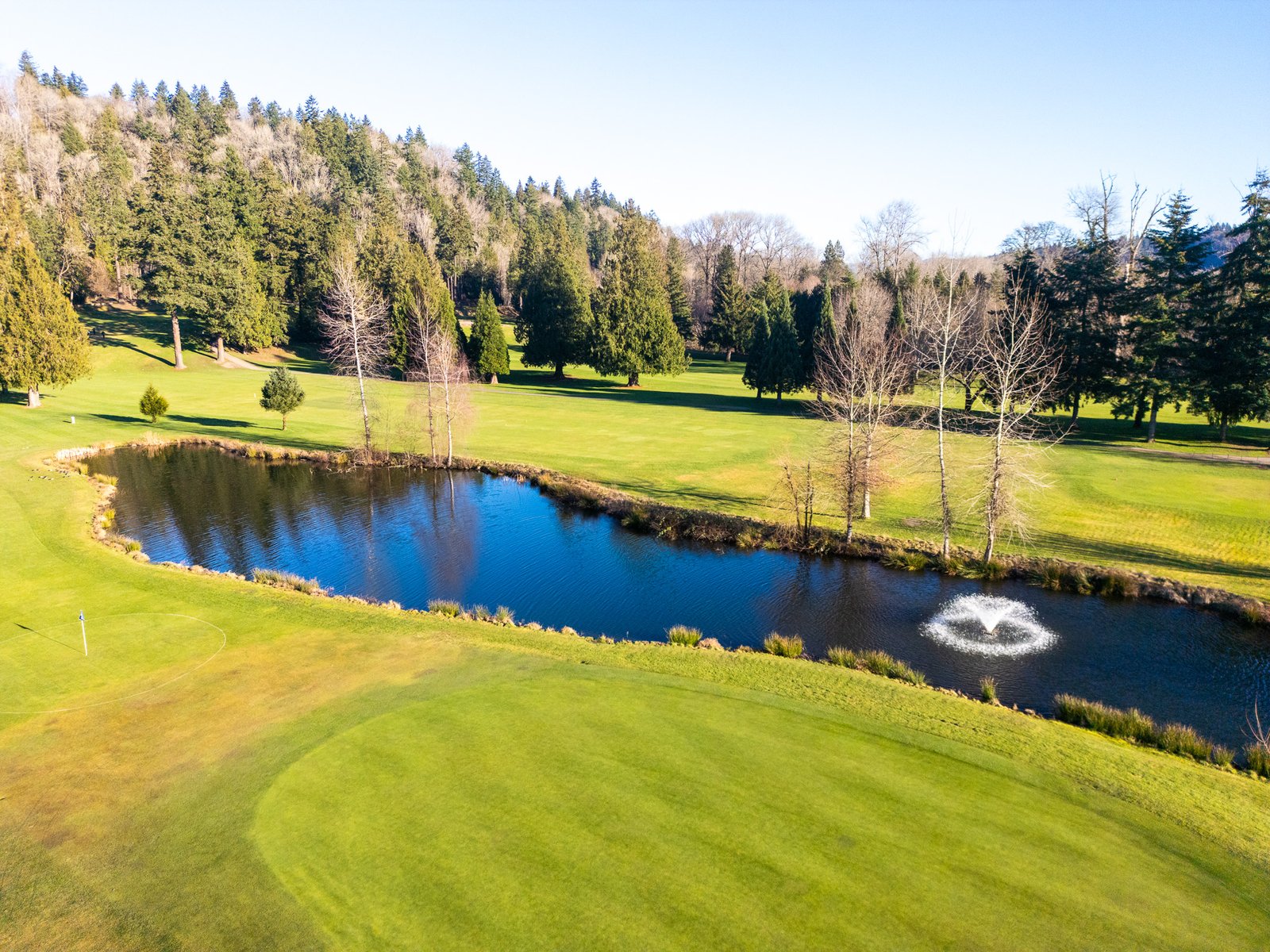
Visual first, then trust, then price
Guests shop with their eyes. Before they read a word they scroll photos (of the room, the view, the table, the event space) and form an expectation. Then they check reviews to see whether the photos are honest, and only then compare price and availability. Three channels compete for that booking: your own website, the online travel agencies and marketplaces that take a commission, and Google itself, which now shows rooms, prices and reviews directly in search and Maps.
The common failures are predictable: photos taken on a phone in bad light, a booking flow that redirects guests to a third party, a Google profile with stale photos and no replies to reviews, and social channels that go quiet for months. Seasonality adds pressure, a quiet January and a sold-out July need different marketing, and events (weddings, retreats, live music, tastings) are often the most profitable product and the least marketed. Your marketing has to make the place look the way it feels, and route the booking to you.
How a guest chooses where to stay or book
- Inspiration or intent: “cabins near Mount Rainier”, “romantic getaway Washington”, “wedding venue Pierce County”, “best dinner in Renton”, from a phone, often weeks ahead.
- Scan the images. Google Maps, the website and Instagram, in whichever order they appear. Poor photos end the journey here.
- Check the reviews and the replies. Recent reviews, the average, and whether the owner responds like someone they would want to meet.
- Compare the booking. Price, availability, cancellation terms, and whether booking direct is easier or better value than the platform.
- Book, and keep looking. Guests keep reading after booking. Confirmation emails, pre-arrival information and social posts either reassure or unsettle them.
From an idea for a weekend to a direct booking
Winning the map for “near” and “in” searches
For an inn, a venue or a destination restaurant, the Google Business Profile is a storefront. It needs the right category (Inn, Bed & breakfast, Hotel, Wedding venue, Event venue, Restaurant), a full photo set that is refreshed each season, amenities and attributes completed, booking links that point to your own site, posts for events and seasonal offers, and a review routine with thoughtful replies. Google Hotel listings and free booking links can put your direct rate beside the platforms’ rates in search; setting them up correctly is one of the highest-return jobs in hospitality marketing.
- Primary and secondary categories matched to every revenue line (rooms, dining, events)
- Seasonal photo refresh: exterior, rooms, food, events, views
- Booking and reservation links to your own site, not only the platforms
- Posts for events, packages and seasonal offers
- Review replies within a day, in the voice of the place
| Factor | What Google is judging | What we work on |
|---|---|---|
| Relevance | How well the profile and website match the words in the search | Primary and secondary categories, a complete services list, the business description, service pages on the site |
| Distance | How close the business is to the searcher (or the place named in the search) | Correct service-area settings, city pages with real detail; distance itself cannot be bought |
| Prominence | How well known and well reviewed the business is | Review count, recency and rating; consistent citations; links and mentions; regular photo uploads |
The three factors are the ones Google itself publishes for local ranking; the weight of each varies by search.
Pages for every reason someone would visit
Hospitality SEO is about intent pages: one for each room type or cabin, one for each event type you host (weddings, retreats, corporate days), one for each season or occasion (autumn colours, winter escapes, anniversary packages), and one for each nearby attraction guests search for before choosing a base. Each page carries real photography, honest detail and a direct booking path. Add the practical content guests search for (directions, what to bring, pet policy, accessibility) and a blog that answers “things to do near…” questions, and the site earns bookings year-round without ad spend. We handle it under SEO services.
Content is the product
Photography, short video and a posting calendar are not decoration for a hospitality business. They are the marketing. We plan seasonal shoots, produce the assets and schedule them across the website, Google profile, Instagram and email so the place looks alive all year. See content creation and social media management.
Paid search and social for the dates you need to fill
Ads in hospitality work best when they follow the calendar. We run search campaigns for high-intent terms (“cabin rental near Mount Rainier”, “wedding venue Enumclaw”) and seasonal packages, switch spend toward the weeks with availability, and use social ads with your own photography for inspiration-stage audiences within driving distance. Every campaign lands on a page with photos, the direct rate and a booking button; bookings and enquiries are tracked so the report shows cost per booking or per event enquiry. See Google Ads management.
- Campaigns by room, event type and season
- Budget moved toward dates with availability
- Your own photography in every ad
- Cost per booking and per event enquiry reported monthly
| Campaign | Example searches | Schedule & targeting | Lands on |
|---|---|---|---|
| Rooms & stays | “cabin rental near Mount Rainier”, “inn near Enumclaw” | Budget follows availability by week | Room page with photos and direct booking |
| Events | “wedding venue Pierce County”, “corporate retreat venue” | Office hours · county-wide · enquiry tracking | Venue page with gallery and enquiry form |
| Seasonal & social | Packages and offers to audiences within driving distance | Quiet months | Package page with booking |
Direct-booking links on the Google profile and free hotel booking links often matter more than the ads themselves.
How leads typically arrive from Ads and from SEO
Illustrative, not client dataRelative lead flow, not a forecast: ads switch on within days and hold steady with budget; SEO starts slowly and keeps growing without per-click cost. Most clients run both, in sequence.
What a hospitality website has to do
Sell the feeling in five seconds
Full-width, professional photography and short video above the fold, the room, the view, the table, the light.
Book direct, easily
A booking engine or reservation form that works on a phone, shows availability and keeps the guest on your site.
One page per reason to visit
Rooms, events, packages, seasons and nearby attractions each get their own page with its own photos.
Answer before they ask
Directions, check-in, parking, pets, accessibility, cancellation, what is included, clearly and early.
Show the reviews
Live Google reviews on the site, with the recent ones first.
Load fast on mobile data
Big images, compressed properly, on a site that opens in two seconds from a car on the way.
We design and build these under web design & development.
From enquiry to a full calendar
Rooms book online; events and groups enquire first. We connect the enquiry form to a calendar and a fast reply, track every booking, call and form by source, and build an email list from guests and enquiries so returning visitors and seasonal offers reach people who already know you. After the stay, a review request at the right moment feeds the profile that brought the next guest. Common problems we fix: bookings that all flow through commission platforms, event enquiries answered days later, and no email list at all.
A hypothetical 90-day plan for a small inn
Scenario: an eight-room inn near the mountains with a restaurant and a garden used for weddings; most bookings arrive through a travel platform; the website is five years old with phone photos.
a full photoshoot of rooms, dining, garden and surroundings; rebuild the Google profile with the new photos, categories for lodging, dining and events, and direct booking links; put a working booking button on the site.
launch pages for each room type, the wedding venue and the two nearest attractions; start a weekly posting calendar on Instagram and the Google profile; set up booking and enquiry tracking and a simple email list.
run a search campaign for the venue and a seasonal package for the next quiet month; send the first email offer to past guests; compare direct bookings against platform bookings and adjust.
KPIs that matter for a hospitality business
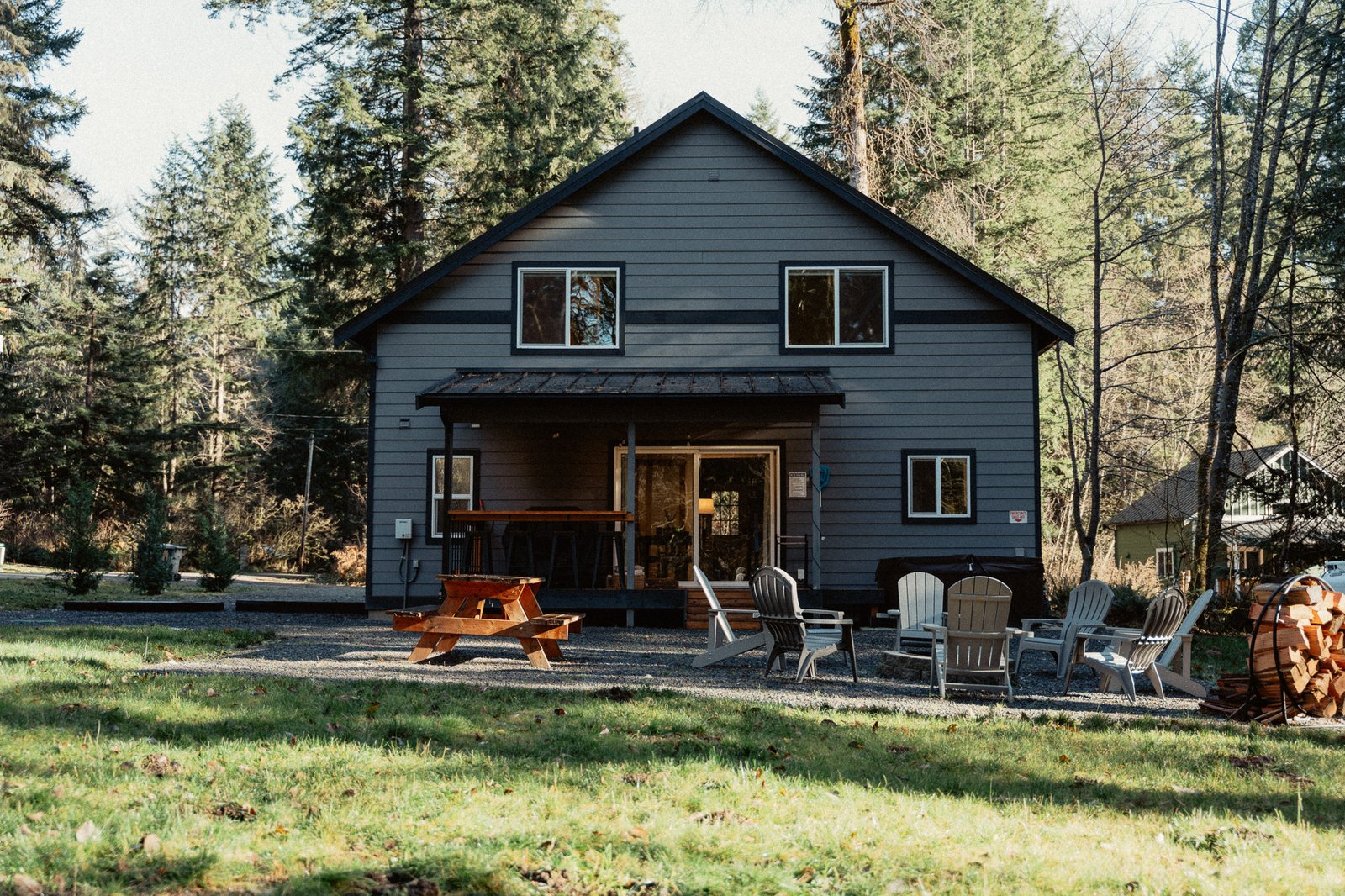
Inn the Woods
For Inn the Woods, a hospitality destination, we produce content, run ads and social media management, and manage the website, the work that makes a place look online the way it feels in person. For River Rock Grill, a farm-to-table restaurant, we crafted the brand and strategy, social campaigns, SEO-focused website enhancements and email marketing built around the menu, the room and the events. Booking and reservation figures are the clients’ and are not published.
Hospitality marketing questions
Should we stop using the booking platforms?
No. They bring guests who have never heard of you. The goal is to grow the share of direct bookings so that returning guests, local guests and event enquiries come to you without a commission.
Can you do the photography?
Yes. Photography and video are part of our content creation service, and for hospitality we plan seasonal shoots so the website, profile and social channels are never showing last year’s garden.
We are seasonal. Is year-round marketing worth it?
The quiet months are where marketing earns its keep: packages, events and local audiences for the weeks you need to fill, and a smaller maintenance budget when you are already full.
Do you work with venues and restaurants as well as lodging?
Yes, venues, destination restaurants, wineries, retreats and vacation rentals. See also our page for restaurants.
How do you measure success?
Direct bookings, event enquiries, occupancy in the weeks we target and cost per booking, reported monthly in plain English, tied to the calendar rather than to clicks.
Get a free hospitality marketing audit
Send us your property or venue name and website. We will review how you look in Google and on social, how easy it is to book direct, and which weeks your marketing should be working hardest, then tell you the three changes to make first.