
Digital marketing for roofers in one of the most competitive local markets
A roof is one of the largest purchases a homeowner makes, bought rarely, often after a storm, and shopped hard. Roofing is also one of the most expensive categories in Google Ads. That combination rewards roofers who look like the safest choice and who show up when the demand spikes, and punishes everyone else’s budget.
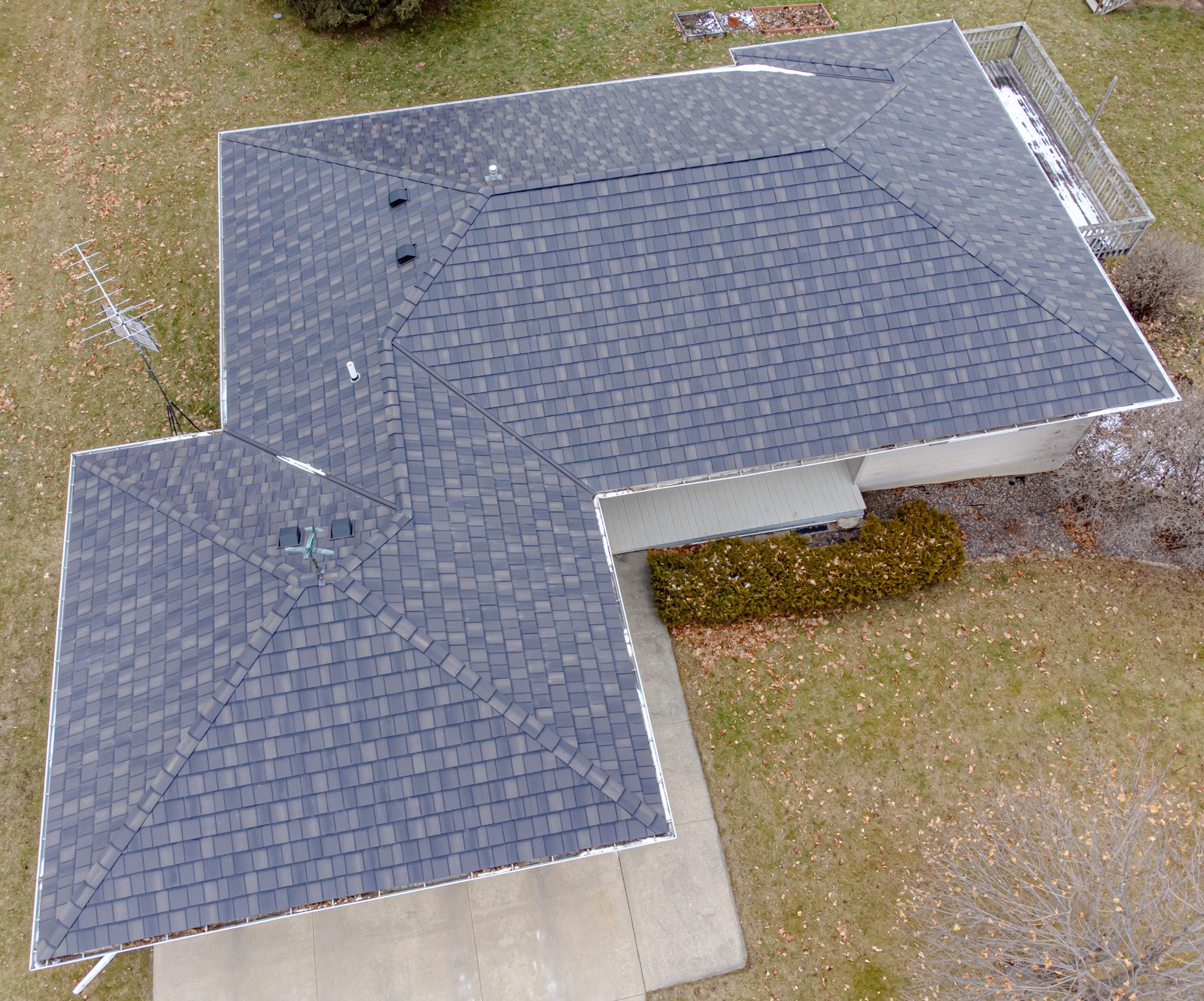
High ticket, low frequency, seasonal spikes
A homeowner buys a roof once or twice in a lifetime, so nobody has a “usual roofer”. Every job is won from scratch against three or four quotes, and the decision leans on proof, photos of completed roofs nearby, reviews that mention clean-up and honesty, licence, bond and insurance, manufacturer certifications and the warranty, and on money: financing, insurance-claim help and a written estimate that explains the line items.
Demand is lumpy. Wind and rain in the Pacific Northwest produce repair searches in bursts; replacements cluster in spring and late summer. Marketing that is only “on” when you are slow arrives too late. And because the jobs are large, the paid-search auction is crowded with national brands and lead-resellers. A small roofer wins with specificity and trust, not by outbidding them.
How a homeowner chooses a roofer
- A trigger. A leak after a storm, missing shingles, an inspection report at sale, or a roof at the end of its life. Searches: “roof repair near me”, “roof replacement cost Tacoma”, “emergency roof tarp”, “roofing companies Puyallup”.
- Reputation triage. Map results and reviews. A roofer with recent, detailed reviews and photos of local jobs makes the shortlist; one with 9 reviews and stock photos does not.
- The estimate. Two to four companies come out. The website has already set expectations: process, materials, warranty, financing, insurance help.
- The decision. Price matters, but the roofer who explained the most, showed the most local work and made financing easy often wins at a higher price.
- Referral. A happy roof customer tells neighbours, if you ask, and if the yard sign and follow-up make it easy.
From a leak to a signed roofing contract
Ranking a roofing company in the Map Pack
Roofing is a service-area business, so your Google Business Profile should hide the address and list every city you work in. Primary category “Roofing contractor”, secondaries for siding, gutters or windows if you do them, a full services list (roof replacement, roof repair, storm damage repair, inspections, gutters), and a steady stream of job photos with the city in the description. Reviews should be requested at final walk-through, when the customer is happiest and the roof is visible.
Google ranks service-area businesses partly on proximity to the searcher, so a single profile rarely covers a whole county. City service pages on your website do the rest.
- Photos of finished roofs by city, the best local proof there is
- Reviews requested at walk-through, responded to within days
- Licence and bond numbers on the profile and site
- Consistent details on Google, Yelp, Angi, HomeAdvisor, Nextdoor and the BBB
| Factor | What Google is judging | What we work on |
|---|---|---|
| Relevance | How well the profile and website match the words in the search | Primary and secondary categories, a complete services list, the business description, service pages on the site |
| Distance | How close the business is to the searcher (or the place named in the search) | Correct service-area settings, city pages with real detail; distance itself cannot be bought |
| Prominence | How well known and well reviewed the business is | Review count, recency and rating; consistent citations; links and mentions; regular photo uploads |
The three factors are the ones Google itself publishes for local ranking; the weight of each varies by search.
Service and city pages that carry the off-season
SEO is a roofer’s hedge against seasonality. Pages for roof replacement, roof repair, storm damage, metal roofing, flat/commercial roofing and gutters (each with real photos, a price-range explanation and FAQs) keep producing estimate requests when ads are paused. Area pages for the cities you actually roof in, with local jobs pictured, capture “roofing companies in {city}” searches. Content that answers cost questions honestly (“how much does a roof replacement cost in Pierce County”, “repair or replace?”) ranks for months and pre-qualifies the caller.
Technical work is included: fast mobile pages, schema for RoofingContractor and service areas, and clean internal links between service, area and gallery pages. See SEO services.
Storm content, ready before the storm
Pages for “emergency roof tarping” and “storm damage roof repair” should exist and rank before the wind arrives. Publish them in the quiet months so they are indexed when demand spikes.
Paid search for roofers: precision or nothing
Roofing clicks are among the most expensive in local advertising, so wasted spend hurts. We keep campaigns narrow: replacement, repair and storm damage separated; exact and phrase match on the terms that produce estimates; a geo-fence around the neighbourhoods you actually roof; negative keywords for “DIY”, “jobs”, “supplies”, “cost calculator”, apartment and commercial terms if you are residential-only. Ad copy leads with the proof homeowners want (licensed, financing available, free inspection) and lands on a page with photos of local roofs and a short estimate form.
Storm response campaigns are pre-built and switched on when weather hits. Every campaign is judged on cost per estimate request, then on cost per signed job when you share it. Details under Google Ads management.
- Separate budgets for replacement (high value) and repair (high volume)
- Pre-built storm campaigns ready to activate
- Landing pages with local photos, financing and a two-field form
- Form and call tracking reported as cost per estimate
| Campaign | Example searches | Schedule & targeting | Lands on |
|---|---|---|---|
| Repair & storm | “roof leak repair Tacoma”, “emergency roof repair” | Extended hours in storm season · service area | Repair page: phone first, photos, reviews |
| Replacement | “roof replacement cost”, “new roof Puyallup” | All day · higher cost per lead accepted · remarketing | Replacement page with financing and gallery |
| Inspection & gutters | “roof inspection”, “gutter replacement” | Business hours · seasonal budget | Service page with quote form |
Negative keywords: “DIY”, “jobs”, “roofing supply”, “Home Depot”, “how to”, towns you do not serve.
How leads typically arrive from Ads and from SEO
Illustrative, not client dataRelative lead flow, not a forecast: ads switch on within days and hold steady with budget; SEO starts slowly and keeps growing without per-click cost. Most clients run both, in sequence.
What a roofing website has to do
Prove local work
A gallery organised by city and roof type, with real photos and captions, not stock houses.
Make estimates easy
A short “Get a free estimate” form on every page, plus click-to-call for repairs and emergencies.
Explain the process
What happens from inspection to clean-up, how long it takes, what the warranty covers.
Financing & insurance
Financing options up front; a plain-language page on insurance claims if you handle them.
Credentials visible
Licence, bond, insurance, manufacturer certifications, years in business, above the fold.
Fast on a phone
Big photo galleries must not slow the page. Compression and lazy-loading are non-negotiable.
From estimate request to signed contract
A roofing lead is an estimate request; the job is won at the kitchen table days later. We track requests by source, make sure every form and call reaches the estimator fast (speed-to-lead decides who gets the appointment), and set up follow-up for the quotes that go quiet, a text three days later closes more jobs than most roofers expect. Reviews and referral asks at walk-through feed the next season.
Common problems we fix: ads landing on a homepage with no form, leads split across personal phones with no tracking, no follow-up on open estimates, and a great reputation that never made it onto Google.
A hypothetical season plan for a residential roofer
Scenario: a licensed residential roofer in Bonney Lake working Pierce County, with a good reputation offline and a thin website.
Winter (quiet): rebuild the profile and review system; build the site with a city-organised gallery, estimate forms, financing and a storm-damage page; publish replacement, repair and cost-guide pages so they index before spring.
Spring: launch narrow replacement and repair Google Ads campaigns with estimate tracking; add area pages for the five towns with the most completed jobs, each with real photos.
Storm events: switch on the pre-built storm campaign; post to the profile the same day.
Ongoing: review requests at walk-through, monthly budget shifts toward the campaigns producing signed jobs. Outcomes depend on weather, competition and pricing; we report estimate requests and signed jobs by source rather than promise a number.
KPIs for a roofing company
Trusted Advisory Team
We built the website and member directory for Trusted Advisory Team, a South Sound network of vetted service providers whose members include PNP Exteriors (roofing, siding and exteriors). The project shows how we present contractors with clear contact paths and trust signals. It is a directory build, not a roofing marketing campaign, and we make no performance claims for member businesses.
See the project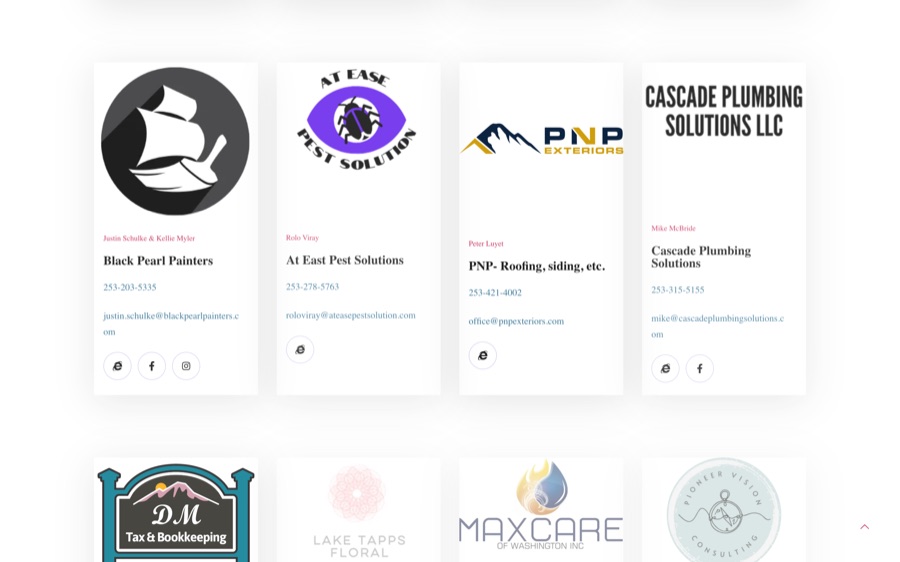
Roofing marketing questions
Why are our Google Ads so expensive?
Roofing is one of the highest-cost categories because a single job is worth thousands and national brands and lead-resellers bid on the same terms. The answer is narrower targeting, better match types, negative keywords and landing pages that convert, not a bigger budget.
Should we buy leads from HomeAdvisor or Angi?
Shared leads can fill gaps, but you are competing with several roofers for the same homeowner at the same time. Marketing that makes homeowners call you directly (reviews, local galleries, your own ads) produces exclusive leads at a lower long-run cost.
How do we get more reviews with photos?
Ask at the final walk-through, on the customer’s phone, with a direct link, and ask them to add a photo of the finished roof. Respond to each one. Volume and recency move rankings; photos build trust.
We are slow in winter. What should marketing do then?
Build. Winter is when the pages, galleries, profile and storm campaigns that pay off in spring get made. Ads can pause; SEO keeps working.
Do you handle siding, gutters and windows too?
Yes, the approach is the same, with separate service pages and campaigns for each so the estimate requests are for the work you want.
Get a free roofing marketing audit
We will look at how you show up for repair and replacement searches in your towns, what your reviews and photos say to a homeowner getting three quotes, and where your ad budget is leaking, then tell you what to fix first.