
Google Ads for hospitality: take back the direct booking and fill the dates that matter
Online travel agencies bid on your own name and take a commission on guests who were already looking for you. A hospitality account starts by protecting that brand search, then fills specific dates and occasions (weekends, events, off-season packages) with campaigns that land on your own booking engine.
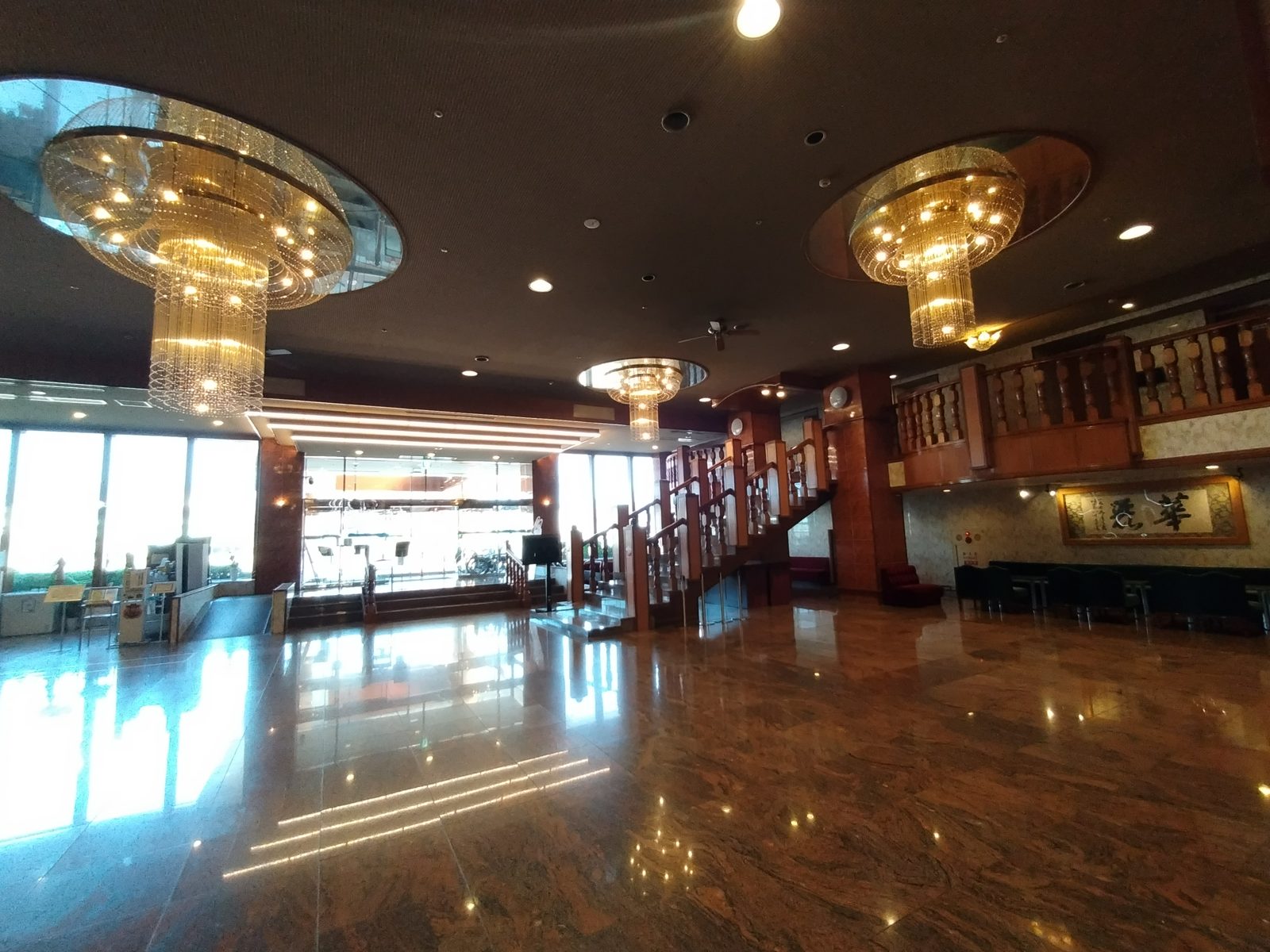
Brand defence first, then occasions and events
The first campaign in almost every hospitality account is brand protection: searches for your inn’s name are the cheapest, highest-converting clicks you can buy, and if you do not bid on them an OTA will, taking a commission on a guest who typed your name. The second layer is occasion and destination demand (“cabin getaway near Mount Rainier”, “romantic weekend Washington”, “wedding venue Pierce County”) where the ad sells the experience and lands on a page that books it directly. Events and venue hire behave like B2B: office-hours searches, enquiry forms, comparison.
Seasonality is severe, and the account has to push off-season packages when rooms are empty and pull back when they would sell anyway.
The searches worth paying for, and the ones that waste budget
Keywords are grouped by brand, destination and occasion, and by venue hire where the property has event space.
- Brand: your property name and common misspellings, “[name] reviews”, “[name] booking”
- Destination: “cabins near Mount Rainier”, “lodging near Crystal Mountain”, “inn near Bonney Lake”
- Occasion: “romantic getaway Washington”, “anniversary weekend cabin”, “family lodge with hot tub”
- Venue & events: “wedding venue Pierce County”, “corporate retreat venue Washington”, “rehearsal dinner venue”
Negative keywords we add on day one
Travel searches are full of comparison sites, jobs and unrelated destinations.
jobs · hiring · Airbnb · VRBO · Expedia · Booking.com · cheap (if not your positioning) · hostel · RV park · timeshare · for sale · free
| Search type | Example | What the searcher wants | Our response |
|---|---|---|---|
| Brand | “[your inn] booking” | Your property | Brand campaign to the booking page |
| Destination | “cabins near Mount Rainier” | A place to stay | Package page and booking engine |
| Occasion | “romantic weekend Washington” | An experience | Occasion package page |
| Venue | “wedding venue Pierce County” | An event space | Venue page with enquiry form |
How we build a hospitality account
Three campaigns: Brand (exact and phrase match on your name, landing on the booking page, always on), Destination & occasion (search ads that sell the experience, landing on packages and the booking engine, weighted to the dates you need to fill), and Venue & events (office-hours schedule, enquiry-form page with capacities, packages and photos). Larger properties add remarketing to people who visited the booking page without booking. Booking-engine conversions and enquiry forms are tracked per campaign.
Fill the dates you need, not the ones that sell anyway
Brand ads run always-on. Destination and occasion campaigns are scheduled and budgeted around your calendar: heavier in the weeks before shoulder-season and off-season gaps, lighter when peak weekends will sell without help. Geography for a leisure property is the drive-market (the Seattle metro for a Rainier-area inn, for example) plus fly-in markets if you have them. Venue campaigns run weekday office hours and target the planning radius for weddings and corporate events.
- Brand campaign always on; it is the cheapest booking you can buy
- Destination budgets weighted to the gaps in your calendar
- Drive-market targeting for leisure; wider for venue hire
- Remarketing to booking-page visitors who did not book
- Enquiry and booking goals tracked separately
What the page behind the ad has to do
Book direct, and say why
Best-rate promise, free breakfast, flexible cancellation, a reason to book here rather than on the OTA, next to the booking engine.
Sell the experience
Photos and video of the rooms, the grounds and the view. Occasion searchers are buying a feeling.
Packages
A page per package (romantic weekend, family stay, ski weekend) with what is included and a direct booking button.
Venue page
Capacities, layouts, packages, photos of real events and an enquiry form with dates.
Getting here
Drive times from the metro, parking, what is nearby. It decides more bookings than the room description.
Speed on mobile
Travellers search on phones; a heavy photo page that loads slowly loses the booking.
We build or fix landing pages under web design & development; a campaign is only as good as the page it lands on.
From search to direct booking
Judge on direct bookings and commission saved
Brand campaigns cost little and are judged on bookings recovered from OTAs, often the best return in the account. Destination and occasion campaigns are judged on cost per direct booking against the commission you would otherwise pay. Budgets rise before the gaps in your calendar and drop when demand carries itself; venue campaigns run a steady office-hours budget judged on cost per qualified enquiry.
Illustrative budget weighting through the year
Illustrative, not client dataRelative emphasis only, a real plan follows your occupancy calendar.
A hypothetical first 90 days
Scenario: a nine-cabin inn near Bonney Lake with a booking engine, strong summer occupancy, empty mid-week winter dates, and no ads.
install booking-engine tracking, launch the Brand campaign, and add a “why book direct” panel beside the booking widget.
build two package pages (winter mid-week, romantic weekend) and launch the Destination & occasion campaign targeting the Seattle metro; add negatives.
review direct bookings by campaign and by date, add remarketing to booking-page visitors, and set the budget calendar for the next shoulder season.
Every number in a real plan comes from your own account data; we do not publish or promise results.
What we report every month
Google Ads questions from hotels, inns and venues
Why should I pay for my own name?
Because if you do not, an OTA bids on it and takes a commission on a guest who searched for you. Brand clicks are cheap; the commission is not.
Can ads compete with Booking.com and Expedia?
On your brand, yes. On generic destination terms it depends on the market; we focus on occasion and package searches where an independent property can win.
Do you track bookings from the booking engine?
Yes, for the common engines; it is the only way to report bookings and revenue rather than clicks.
Is remarketing worth it for a small inn?
Usually. People who reached your booking page and left are the cheapest guests to bring back.
Do you charge a percentage of spend?
No. Flat fee; you own the account.
Get a free Google Ads review for your property
Send us your property name and website. We will tell you whether OTAs are bidding on your name, and what a brand-plus-occasion setup would look like.