
Google Ads for towing companies: be the number a stranded driver taps
A driver on the shoulder of I-5 is not going to read your website. They search “tow truck near me”, see three results and tap one. Google Ads puts your number at the top of that screen in the exact minutes and miles you can actually dispatch, if the account is built for it. Here is how we run paid search for towing.
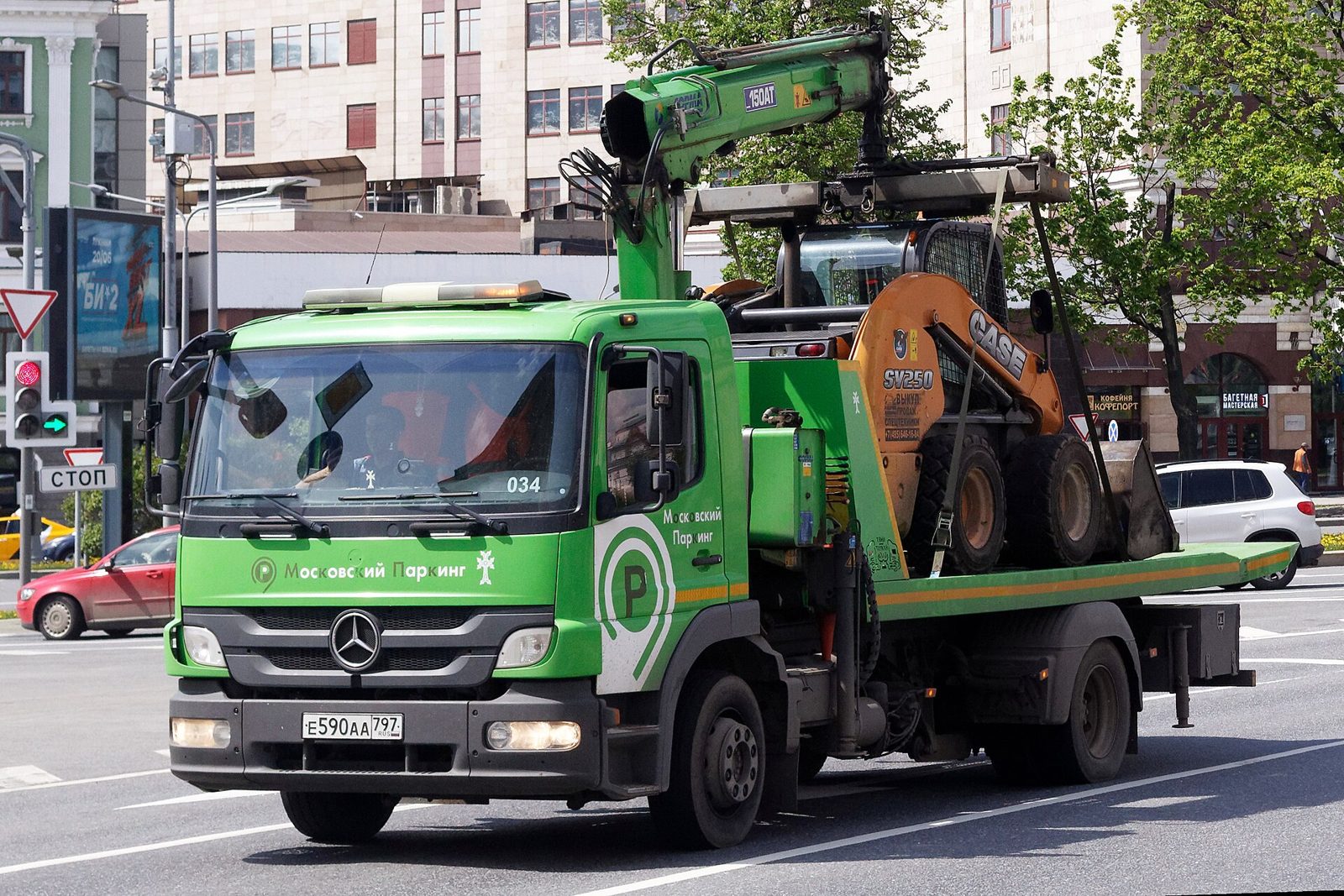
The fastest conversion in local advertising
Towing searches convert faster than any other local category: the caller has an immediate, unavoidable need, they are on a phone, and they choose in seconds. That changes the whole account. Ads have to be call-first (call assets or call-only ads), the landing page is almost irrelevant compared with the number being tappable, and geography is measured in drive minutes, not city limits. Ads that run while your phone rings out are money burned; ads that run while a truck is free are the best marketing a towing company can buy.
The same account has to handle a second, slower customer: property managers, dealerships and fleets searching for impound, transport and heavy-duty hauling. Those searches happen in office hours, compare providers, and ask about insurance and capacity, so they get their own campaign, schedule and page.
The searches worth paying for, and the ones that waste budget
Towing keywords split cleanly into emergency, roadside and commercial. We build each as a separate campaign so bids, schedules and ad copy match the intent.
- Emergency: “tow truck near me”, “24 hour towing Tacoma”, “towing service Puyallup”, “emergency tow I-5”
- Roadside: “jump start service near me”, “car lockout service”, “flat tire help”, “fuel delivery”
- Vehicle-specific: “flatbed tow”, “motorcycle towing”, “heavy duty towing”, “RV towing”
- Commercial: “private property towing”, “impound service for apartments”, “dealership transport”, “equipment hauling”
Negative keywords we add on day one
Towing attracts a lot of searches that will never become a dispatch. Excluding them keeps the budget for drivers who need a truck.
jobs · salary · tow truck for sale · towing capacity · hitch · trailer · tow strap · how to tow · tow truck driver training · insurance · games
| Search type | Example | What the searcher wants | Our response |
|---|---|---|---|
| Emergency | “tow truck near me” | A truck, now | Call-only ad, dispatch hours, corridor radius |
| Roadside | “jump start service near me” | Help without a tow | Call-first ad, smaller radius, lower bid |
| Specialty | “flatbed tow motorcycle” | The right equipment | Own ad group and page; higher bid |
| Commercial | “private property towing” | A reliable contractor | Office-hours campaign, enquiry page |
How we build a towing account
Four campaigns as a rule: Emergency (call-only or call-first ads, tight radius around the corridors you cover, scheduled to dispatch hours), Roadside (jump-starts, lockouts, tyres, fuel, often a smaller radius and a lower bid because the ticket is smaller), Specialty & heavy-duty (flatbed, motorcycle, RV, equipment, higher bids justified by higher tickets), and Commercial (impound, private-property, dealership and fleet work, office-hours schedule, landing on a page about insurance, capacity and response times). Each campaign has its own ad copy naming the service and the area, and its own call-tracking number so the report shows which campaign produced which call.
Corridors and dispatch hours, not city boundaries
Towing radius targeting follows roads, not town names. We target the corridors and interchanges your trucks actually reach in the time a driver will wait, and exclude the ones a competitor gets to first. Bid adjustments raise visibility during the hours and days your logs show the most calls (evening commutes, weekend nights, storms) and cut ads entirely when the phone is unattended. Every emergency ad carries a call asset with a tracking number, and we set the account to count only calls over a minimum length so a misdial is not a “lead”.
- Radius targeting around corridors and interchanges you serve, with exclusions for areas you decline
- Ad schedule mirrors dispatch: no ads when nobody can answer
- Bid adjustments for peak breakdown hours and weather
- Call assets with tracking on every emergency ad; call-only ads where the page adds nothing
- Mobile-only bidding for the emergency campaign. Nobody searches “tow truck near me” from a desktop
What the page behind the ad has to do
One screen, one number
Phone number in the first line and a tap-to-call button that fills the thumb zone. Nothing above it.
Say the ETA
“Average arrival 30–45 minutes across Pierce County”, an honest window beats “fast response”.
Show the truck
A photo of your actual flatbed and driver. Stranded people want to know who is coming.
Price signal
Hook-up fee and per-mile rate, or “quoted on the call”. Silence sends them to the next result.
Proof
Star rating, review count and licence/insurance line. Three sentences, not a page.
Commercial page
A separate page for property managers and fleets: insurance certificate, capacity, response SLAs, a form.
We build or fix landing pages under web design & development; a campaign is only as good as the page it lands on.
What the landing page has to survive
Expensive clicks, but every one can be a dispatch
Towing clicks are among the pricier local categories because almost every searcher is a real customer and every operator in the area is bidding. That is fine when the account is tight: the question is cost per dispatched call, not cost per click. We start with a budget sized to your dispatch capacity, there is no point buying calls a single truck cannot reach, and move money weekly toward the campaign and hours producing dispatches. Winter storms, holiday weekends and the first hot week of summer all spike breakdowns; we plan bid increases for them rather than reacting after the budget is gone.
Illustrative budget weighting through the year
Illustrative, not client dataRelative emphasis only, a real plan uses your dispatch logs.
A hypothetical first 90 days
Scenario: a two-truck towing company in Sumner covering Highway 410, SR-167 and I-5 between Fife and Auburn, with a Google Business Profile, 60 reviews and a five-page website.
install call tracking, build the Emergency campaign (call-only, dispatch hours, corridor radius), add the negative list, and put a tap-to-call number at the top of every page.
add the Roadside and Heavy-duty campaigns with separate tracking numbers; review the first month’s call recordings and cut the hours and areas that produced no dispatches.
launch the Commercial campaign on an office-hours schedule with a page built for property managers; shift budget to the campaign with the lowest cost per dispatched call.
Every number in a real plan comes from your own account data; we do not publish or promise results.
What we report every month
Google Ads questions from towing companies
Should a towing company use call-only ads?
For emergency searches, usually yes: the driver wants a number, not a website. We still test a one-screen landing page against call-only, because some searchers want to see a price or an ETA before they call.
Can you stop ads when my truck is busy?
Ads can follow a schedule, and we can pause them quickly, but Google Ads cannot see your dispatch board. If you have one truck, we size the budget and the radius so you are not paying for calls you have to turn away.
Do lead-generation platforms work for towing?
They sell the same call to several operators and you compete on speed of answer. Your own Google Ads account gives you the call exclusively, and you own the data.
How fast will the phone ring?
Ads can show within a day. Judging the account fairly takes 30–60 days of call data, enough to see which corridors, hours and searches produce dispatches.
Do you charge a percentage of ad spend?
No. A flat monthly fee; your ad spend goes to Google from your own account.
Get a free Google Ads review for your towing company
Send us your company name and service area. If you already run ads we will review the account for wasted spend and missed corridors; if not, we will tell you what a first emergency campaign would look like.